
The challenges young people face on the trail translate directly to navigating difficult situations at home, in school, and in their communities. Here's how.
At 10,000 feet, with three miles still to climb and legs burning, a 15-year-old discovers something profound: she can do hard things. This lesson, learned in the mountains, becomes a foundation for facing every challenge that follows.
The Transfer Effect
Research in experiential education consistently demonstrates what we call the "transfer effect"—skills and insights gained in wilderness settings transfer to everyday life. But the mechanism is more nuanced than simple metaphor. The challenges of wilderness travel create what psychologists call "manageable adversity"—difficult enough to require real growth, but structured enough to be navigable.
When I got back to school and faced a really hard test, I thought about carrying my pack over that mountain pass. If I could do that, I could do this. It sounds simple, but it changed everything.
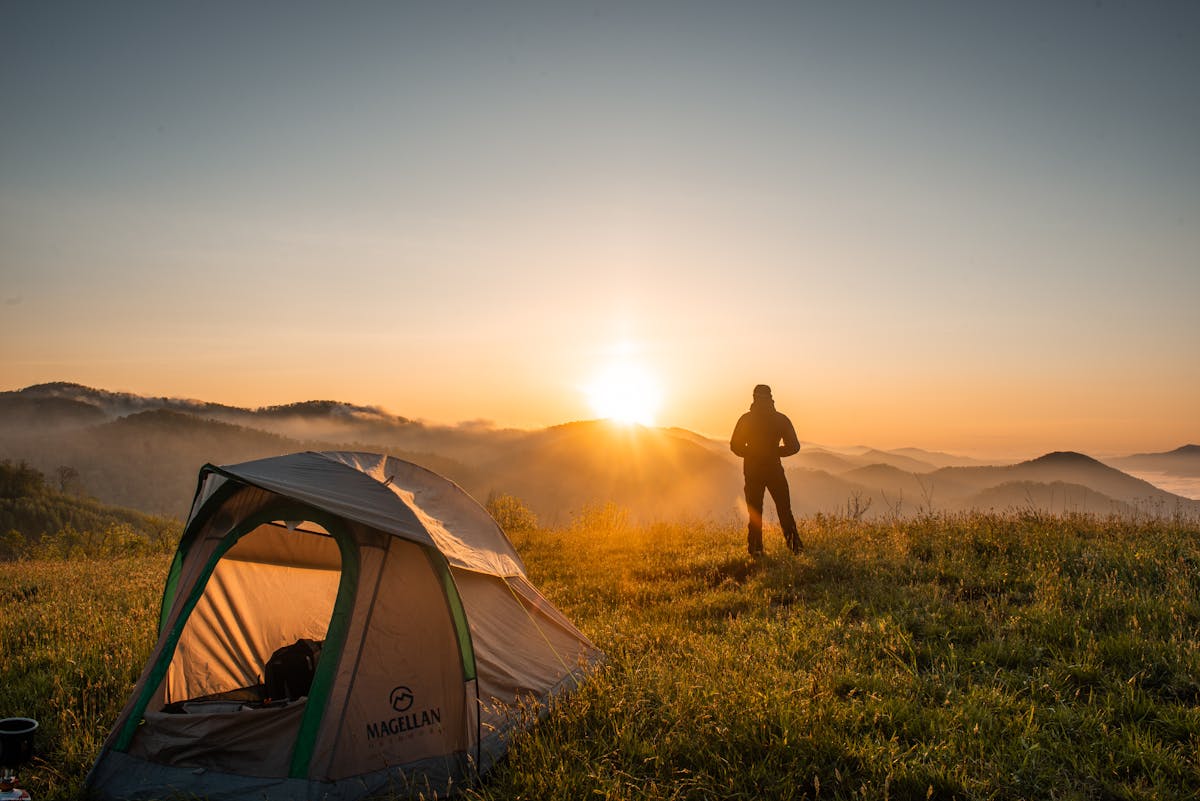
Types of Wilderness Challenges
Physical challenges teach persistence and the relationship between effort and outcome. Navigation challenges develop problem-solving and the ability to make decisions with incomplete information. Social challenges build communication, conflict resolution, and collaboration. Emotional challenges cultivate distress tolerance and emotional regulation.
What makes wilderness uniquely powerful is that these challenges come packaged together, in a context where natural consequences provide immediate feedback. Set up your tent wrong, you get wet. Don't communicate clearly about the route, you get lost. These lessons stick because they're real.
Building Antifragility
Nassim Taleb coined the term "antifragile" to describe systems that gain strength from stress. This is precisely what we're cultivating in wilderness programs—not just resilience (bouncing back) but antifragility (growing stronger through challenge). Young people discover that discomfort is temporary, that they have agency in difficult situations, and that they're capable of more than they imagined.


