
Our commitment to ensuring that wilderness experiences are available to all young people, regardless of economic background or zip code.
Historically, wilderness education has been accessible primarily to white, affluent families. This is not coincidental—it reflects broader patterns of inequity in outdoor recreation, environmental organizations, and access to public lands. If we believe wilderness experiences are transformative, we must ensure they are available to all young people.
The Reality of Outdoor Inequity
Research consistently shows significant disparities in outdoor access along lines of race and class. Young people from low-income families and communities of color are far less likely to visit national parks, participate in outdoor recreation, or have access to wilderness education programs. The barriers are multiple: program costs, equipment expenses, transportation challenges, cultural isolation, and historical exclusion from outdoor spaces.
I never thought wilderness was for people like me. Growing up in Oakland, camping and hiking felt like rich white people things. The scholarship program changed that. Now I know these places are mine too—they belong to all of us.
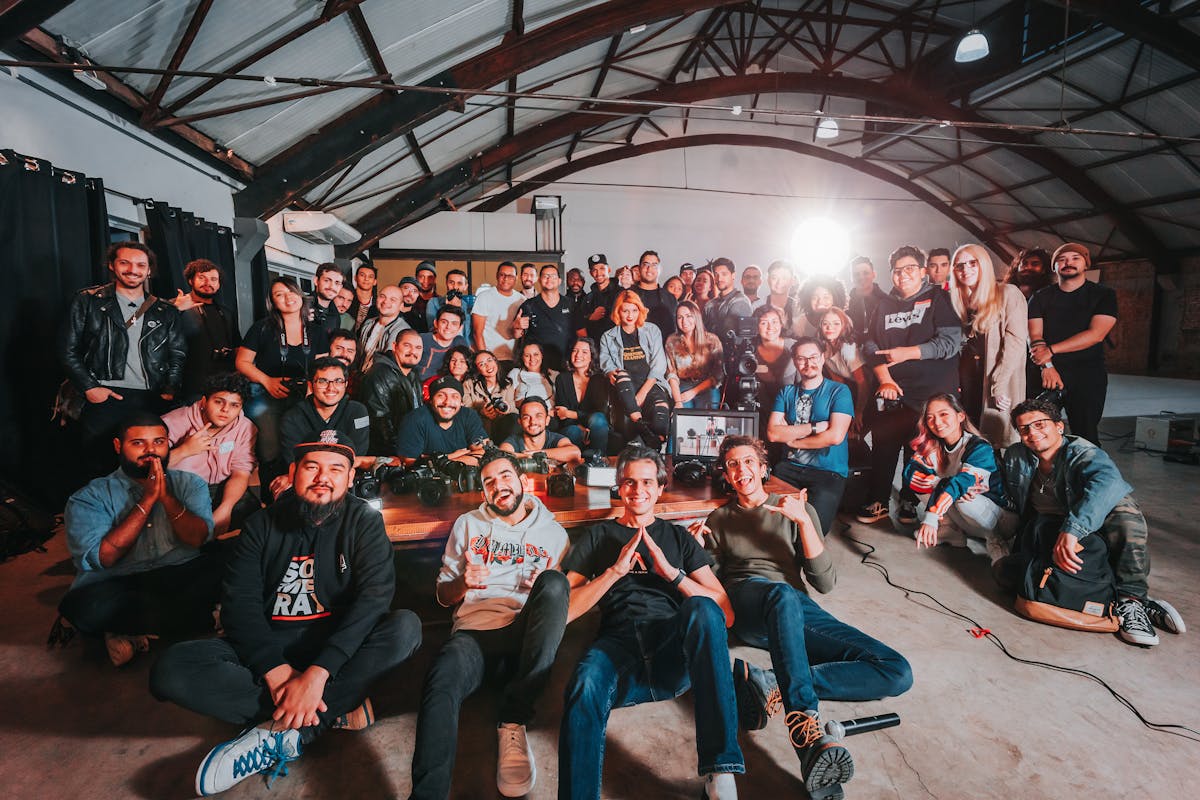
Our Commitment to Equity
At Back to Earth, equity is not an afterthought—it is central to our mission. The WILD Scholars Program provides full scholarships covering all program costs, gear, transportation, and year-round mentorship to Bay Area youth from underserved communities. Currently, 45% of our participants are scholarship recipients.
But equity work goes beyond scholarships. It requires examining who is represented in staff and leadership, whose stories are centered, what cultural assumptions shape programming, and how we create spaces where all young people feel they belong.
Creating Inclusive Spaces
True inclusion requires more than simply bringing diverse participants together. It demands culturally responsive programming, staff who reflect participant diversity, attention to power dynamics, acknowledgment of different relationships with land and nature, and ongoing work to address bias and create belonging.
We partner with schools and community organizations serving historically marginalized youth. We recruit and support staff of color. We incorporate diverse wisdom traditions in our programming. We continually ask: who is missing, who is uncomfortable, who is not being served?
The Future We Are Building
Our vision is a future where all young people—regardless of economic status, race, or background—have access to transformative wilderness experiences. Where outdoor spaces genuinely belong to everyone. Where the faces of environmental leadership reflect the diversity of our communities. This is not charity—it is justice. These experiences should be a birthright, not a privilege.


