
In an age of constant stimulation, we explore why unstructured time in nature is crucial for young people to develop creativity, self-awareness, and emotional regulation.
In our hyper-connected world, young people are rarely alone with their thoughts. Every spare moment is filled with notifications, content, and digital stimulation. Yet neuroscience increasingly shows that boredom—that uncomfortable state we work so hard to avoid—is essential for healthy brain development.
The Neuroscience of Boredom
When the brain is not occupied with external stimuli, it enters what neuroscientists call the "default mode network"—a state where we process experiences, consolidate memories, imagine future scenarios, and develop our sense of self. This internal processing is where creativity, self-reflection, and meaning-making happen.
The first few days without my phone were torture. But then something shifted. I started noticing things—the way light moved through the trees, my own thoughts and feelings. I realized I had been running from myself.
In wilderness programs, we deliberately create space for boredom. Long miles of hiking with nothing but the sound of footsteps. Evening hours with no entertainment beyond conversation and stargazing. Solo time with literally nothing to do but sit with oneself.
What Happens in the Space
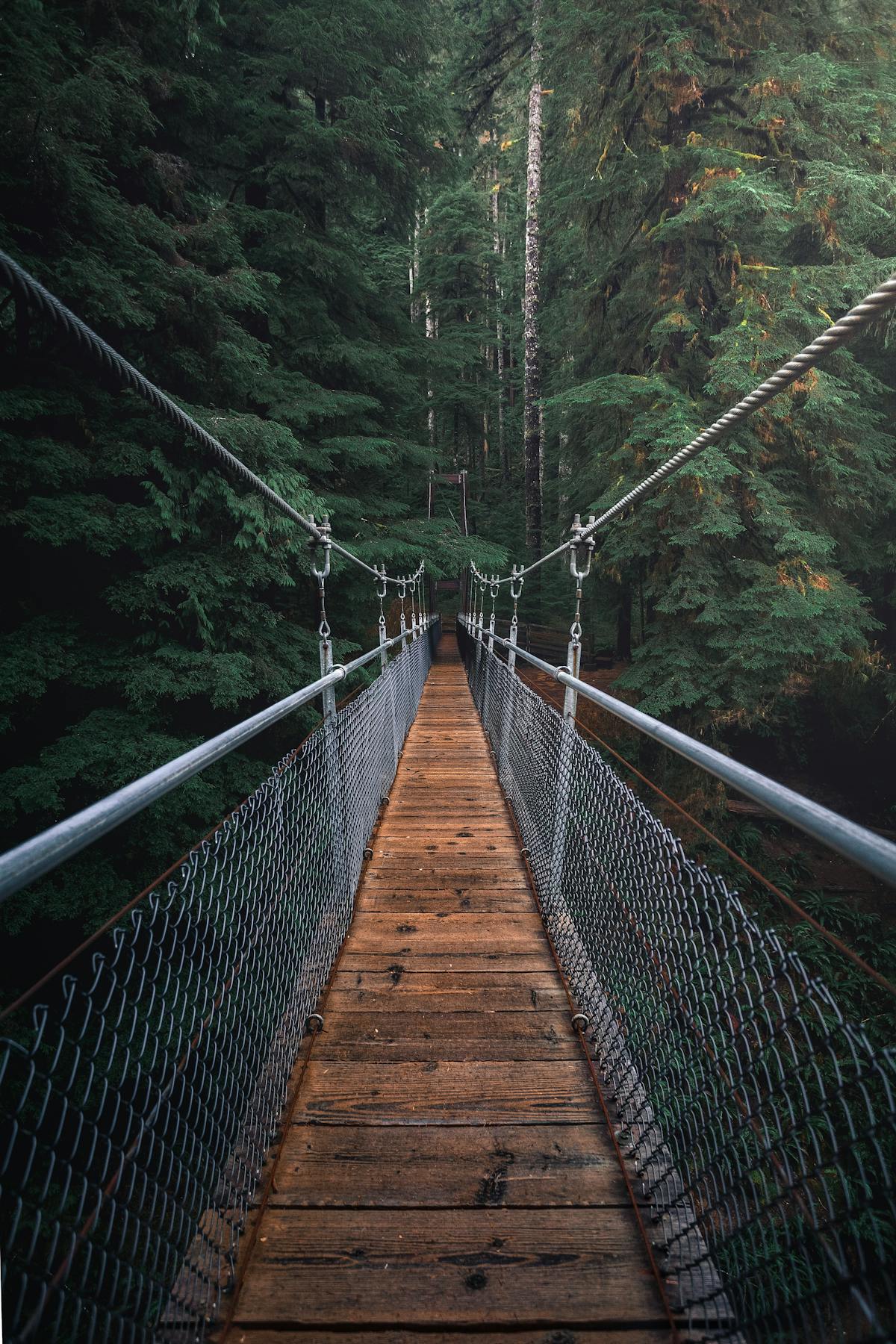
Initially, participants resist. They fidget, complain, ask when the next activity starts. But gradually, something remarkable happens. They begin to observe their surroundings with genuine curiosity. They start conversations that go deeper than small talk. They pick up sticks and build things, write in journals, compose songs, ask big questions.
This is not wasted time—it is where the real work of adolescence happens. Identity formation. Processing complex emotions. Integrating new experiences into their sense of self. Developing the capacity to be comfortable in their own company.
Bringing it Home
Parents often ask: how can we recreate this at home? The answer is both simple and challenging: protect unstructured time. Create phone-free hours. Don't rush to fill every silence. Let car rides be quiet. Allow weekend afternoons without plans. Trust that the discomfort of boredom is the doorway to something essential.


